 Asian Wildlife Conservation Group
- Date:
- WildlifeConservation
Understanding Human–Elephant Interaction in Asia: 5 Key Perspectives
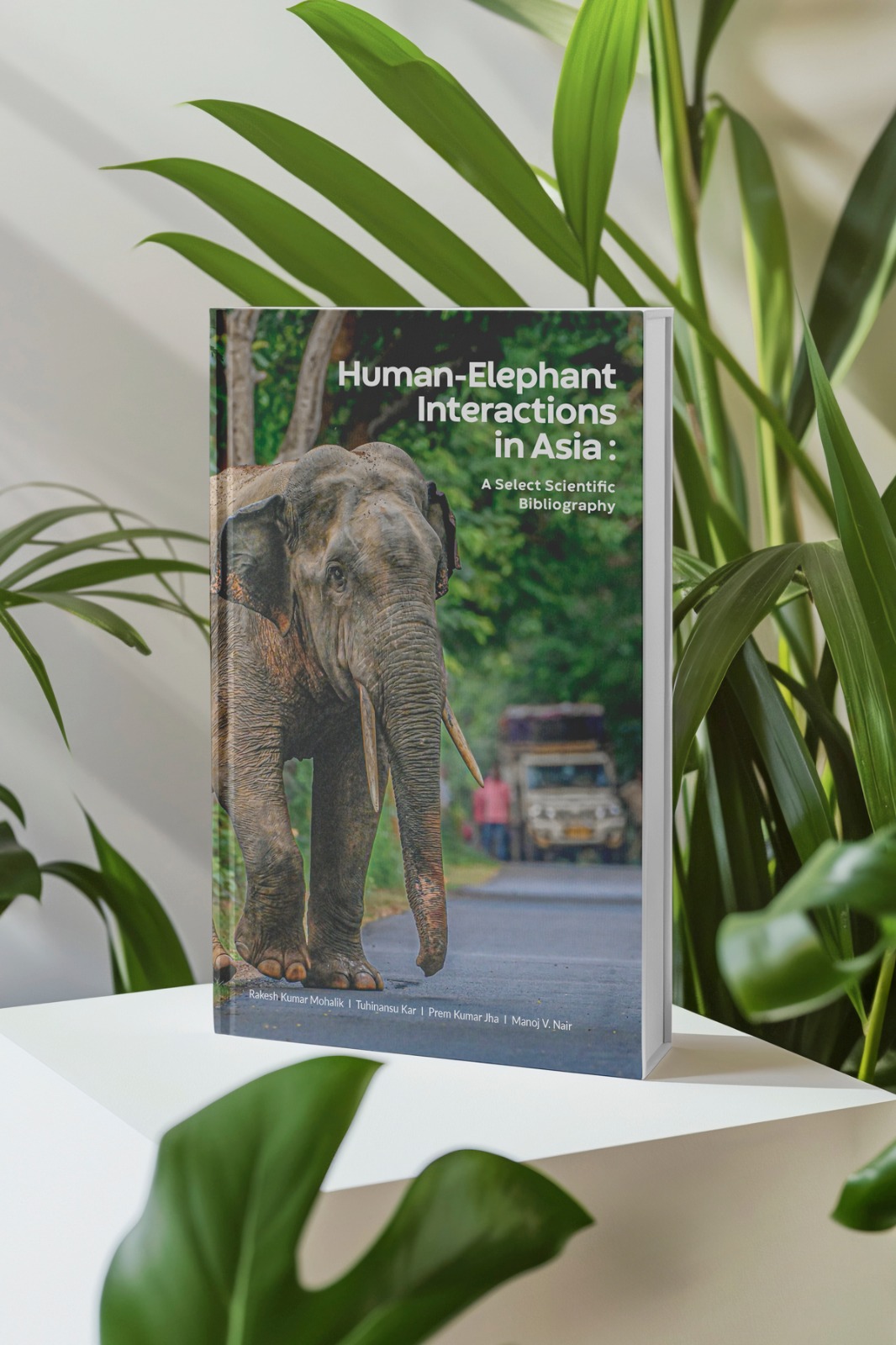
Human–elephant interaction is a critical conservation and social issue across Asia. As forests shrink and agricultural landscapes expand, elephants increasingly come into contact with human settlements, leading to crop damage, property loss, and risks to both human and elephant lives.
Addressing this challenge requires a deep understanding of elephant behavior, migration patterns, and the socio-economic realities of communities living near elephant habitats. Conservation efforts must balance ecological needs with human safety and livelihoods.
Key approaches to promoting coexistence
Effective solutions focus on coexistence rather than conflict. By integrating science, community participation, and policy support, sustainable outcomes can be achieved.
- Protection and restoration of elephant corridors
- Early warning systems and conflict mitigation tools
- Community awareness and education programs
- Sustainable land-use planning
- Research-driven conservation strategies
Long-term success depends on collaboration between governments, conservation organizations, researchers, and local communities. By promoting coexistence and informed decision-making, Asia can protect its iconic elephants while supporting the well-being of people who share their landscapes.


Why understanding human–elephant interaction matters
Across Asia, growing human populations and expanding infrastructure have increased interactions between people and elephants. Understanding these interactions is essential to reduce conflict, safeguard livelihoods, and ensure the long-term survival of Asian elephants.